
Lightweight Cladding That Insulates While It Protects
Synthetic Stucco in El Paso for buildings requiring energy-efficient exteriors, crack-resistant surfaces, or modern aesthetic upgrades
Synthetic stucco systems, also called Exterior Insulation and Finish Systems, combine rigid foam insulation boards with a reinforced base coat and acrylic finish to create a continuous barrier that reduces heat transfer through walls. Alvarado Plastering & Stucco LLC installs and repairs these systems across El Paso, Horizon City, San Elizario and surrounding areas for properties where cooling costs remain high despite attic insulation or where traditional stucco has cracked repeatedly due to substrate movement. The foam layer absorbs minor structural shifts without transmitting stress to the finish coat, which is why synthetic systems often stay crack-free on buildings where conventional stucco would fail within a few years.
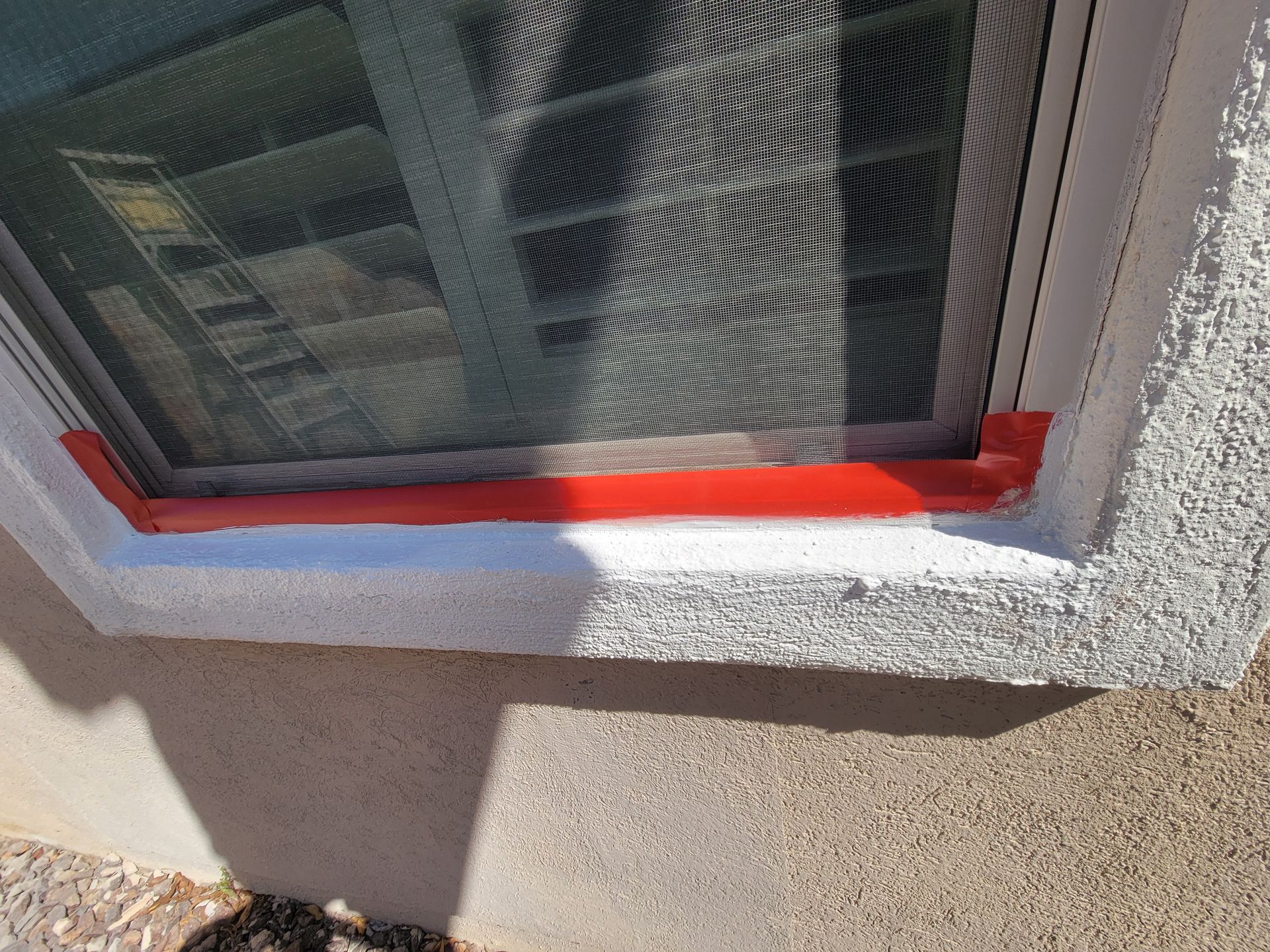
Installation begins with mechanically fastening foam boards to sheathing, then embedding fiberglass mesh into a polymer-modified base coat that bonds to the foam. The finish coat is troweled over the cured base, creating a flexible surface that expands and contracts with temperature changes without losing adhesion. Proper detailing around windows, doors, and penetrations is critical because water that gets behind the foam cannot escape through the system and will eventually rot the underlying structure.
Arrange a consultation to evaluate whether your building's current drainage details and flashing are compatible with synthetic stucco installation requirements.
How Synthetic Systems Perform Differently Than Traditional Stucco
Synthetic stucco remains flexible even after curing, so it doesn't develop the hairline cracks that appear in cement-based coatings as buildings settle. The foam backing provides an R-value of approximately four per inch of thickness, which measurably reduces heat gain through exterior walls during El Paso's summer months when surface temperatures exceed one hundred forty degrees. This thermal break also prevents interior condensation on walls during winter, reducing the likelihood of mold growth in conditioned spaces.
After installation, you'll notice that interior walls stay cooler to the touch during peak afternoon heat, and HVAC systems cycle less frequently because the building envelope loses less energy. The finish stays uniformly colored longer than painted cement stucco because the acrylic topcoat includes integral pigments that resist UV degradation. Synthetic systems weigh significantly less than traditional three-coat stucco, which matters on structures where additional dead load could stress existing framing or foundations.
These systems do require vigilant maintenance of all termination points and sealant joints because even small breaches allow water infiltration that the system cannot manage. Unlike traditional stucco, which can tolerate some moisture intrusion and dry out through the surface, synthetic systems trap water behind the foam, leading to concealed damage that only becomes visible after extensive deterioration has occurred.
Homeowners and builders often ask about installation requirements, performance differences, and long-term durability before committing to synthetic stucco.
Answers to Frequent Questions About Synthetic Systems
How does synthetic stucco resist cracking better than cement-based systems?
The acrylic finish coat remains elastic after curing, stretching slightly instead of fracturing when the substrate moves. The foam layer also absorbs minor deflections, preventing stress from reaching the finish surface.
What preparation is required before installing synthetic stucco over existing walls?
The substrate must be clean, dry, and structurally sound, with all flashing and drainage planes properly detailed. Any existing finish must be removed if it prevents proper foam board attachment or creates an uneven surface.
When should you avoid using synthetic stucco despite its benefits?
Avoid it on buildings with unresolved moisture problems, inadequate roof overhangs, or poorly detailed foundations where water regularly contacts the wall base. Synthetic systems cannot compensate for deficient building design.
Why do some synthetic stucco installations fail while others last decades?
Failures typically result from improper flashing details, incomplete sealant joints around penetrations, or installation over damp sheathing. Proper installation following manufacturer guidelines and local building codes prevents these issues.
What maintenance does synthetic stucco require that traditional stucco does not?
You must inspect and maintain all sealant joints annually, check for finish coat damage that could admit water, and ensure that landscaping and irrigation do not direct water against the wall base. Traditional stucco tolerates these conditions better because it's vapor-permeable.
Alvarado Plastering & Stucco LLC conducts site evaluations to determine whether your building's existing conditions support synthetic stucco installation or require modifications before proceeding with the system.