
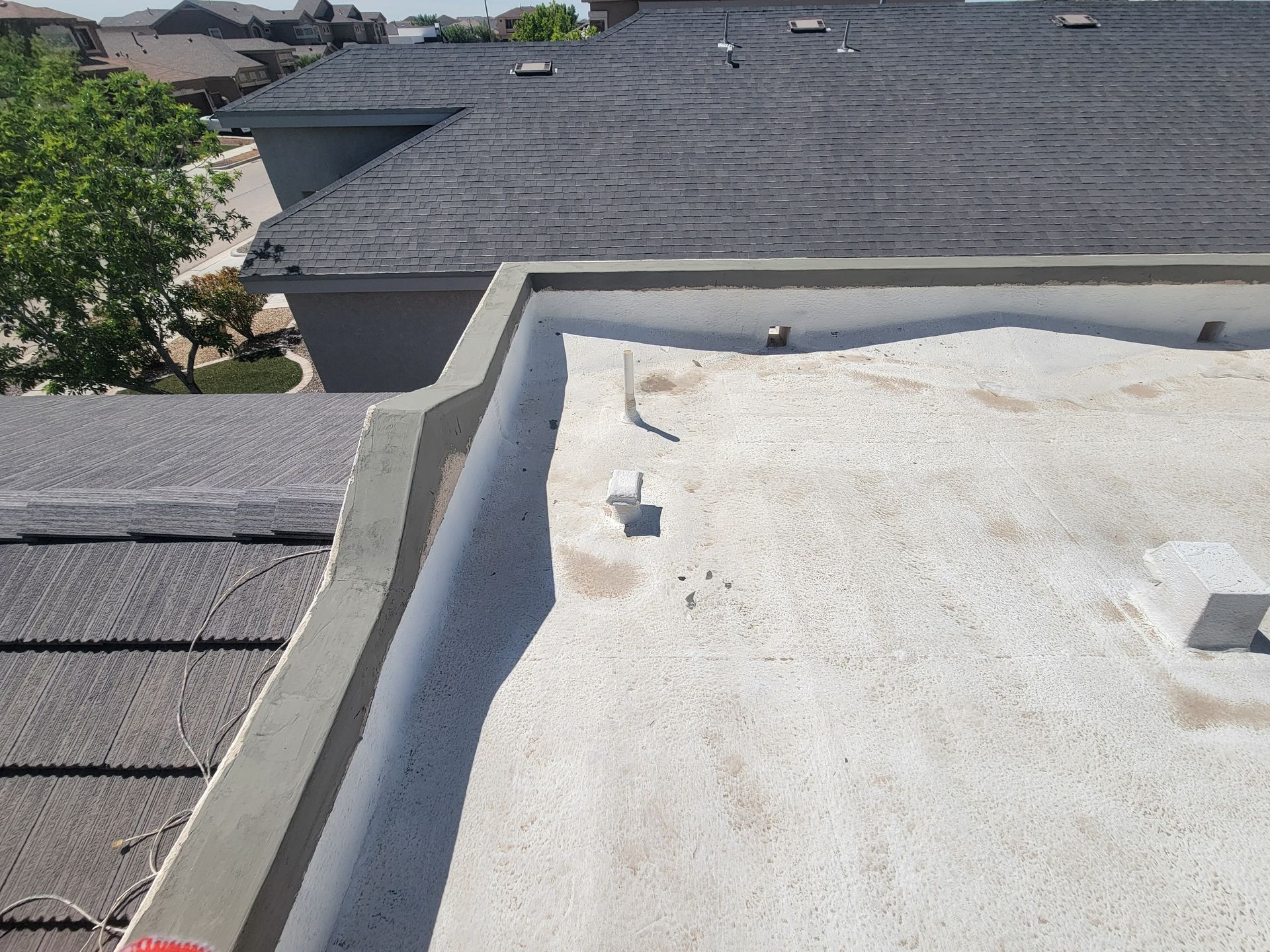
Smooth Walls That Eliminate Surface Imperfections
Plastering Services in El Paso for damaged interior surfaces, new construction finish work, or decorative wall treatments requiring skilled application
Damaged plaster shows up as cracks radiating from corners, soft spots that flex under pressure, or areas where the surface has delaminated from the underlying lath. Alvarado Plastering & Stucco LLC applies interior and exterior plaster to repair these failures and to finish new walls and ceilings where smooth, durable surfaces are required. In El Paso, Fabens, CLint and surrounding areas' dry climate, plaster cures slowly enough to allow proper troweling but fast enough that multiple coats can be applied within a single project cycle without extended delays.
The process involves applying a scratch coat that keys into the lath or masonry, followed by a brown coat that levels the surface, and finally a finish coat troweled smooth or textured according to the desired appearance. Each layer must cure sufficiently before the next is applied, or the weight of wet material can pull earlier coats away from the substrate. For restoration work, matching the thickness and texture of existing plaster requires testing the original material to identify its composition and replicating that mix.
Schedule an on-site assessment to identify whether plaster damage results from surface wear or underlying structural movement that must be corrected first.
What Proper Plastering Requires for Lasting Results
Successful plastering depends on substrate preparation, mix consistency, and timing between coats. The scratch coat must bond mechanically to the lath or chemically to masonry, which requires clean surfaces free of dust, oil, or loose material. Mix ratios affect workability and final hardness—too much lime makes plaster soft and prone to damage, while too little makes it brittle and likely to crack as the building settles.
Once the finish coat cures, you'll notice that walls feel solid when tapped, without the hollow sound that indicates delamination. Properly finished plaster remains cool to the touch and resists scuffing from furniture contact or daily wear. Corners stay sharp without chipping, and surfaces accept paint evenly without blotchy absorption caused by inconsistent density. In rooms with high humidity, lime-based plaster regulates moisture better than gypsum, reducing condensation on wall surfaces.
Plastering includes surface preparation, application of all necessary coats, and curing management. It does not include repairing structural cracks, replacing rotted lath, or addressing moisture sources like roof leaks or plumbing failures, which must be resolved before plaster work begins to prevent recurring damage.
Clients often ask about repair options, drying times, and how plastering compares to other wall finishing methods before starting interior projects.
Common Questions About This Service
What causes plaster to crack in some areas but not others on the same wall?
Cracks typically follow stress points like corners, openings, or areas where dissimilar materials meet. Movement in the structure, inadequate curing time between coats, or weak mix ratios also contribute to cracking patterns.
How long does plaster take to dry before you can paint or apply finishes?
Traditional lime-based plaster requires several weeks to fully cure, though surface drying happens within days. Gypsum-based plaster cures faster but remains slightly softer than lime mixes.
When should you replaster an entire wall versus patching damaged sections?
Replastering is necessary when more than thirty percent of the surface is damaged, when the existing plaster has lost its bond to the substrate, or when you're changing the wall texture. Small isolated repairs can be patched if the surrounding plaster remains sound.
Why does patched plaster sometimes look different from the original surface?
Differences in mix ratios, trowel technique, or curing conditions cause variations in texture and color. Matching old plaster requires testing the original material and replicating its composition as closely as possible.
What tools indicate quality plaster work during application?
Watch for consistent hawk and trowel technique, proper timing between coats, and attention to edge details where plaster meets trim or other surfaces. Quality work shows no visible trowel marks, uniform thickness, and sharp inside corners.
Alvarado Plastering & Stucco LLC provides detailed project timelines that account for curing requirements and coordinates plastering work with your other trades to avoid delays or damage to completed surfaces.